Flat roofs have become a familiar sight on modern homes, apartment blocks, and commercial buildings. Their clean lines and space-saving structure appeal to owners who value function mixed with visual clarity. Still, the lifespan of a flat roof depends heavily on material choice. Poor selection often leads to ponding water, cracks, or early replacement. A strong material resists weather pressure, handles temperature swings, and supports daily building use without constant repair. Before construction begins, understanding material behavior saves money and frustration later. This introduction highlights why flat roof materials matter more than surface appearance alone. Smart planning at this stage improves durability, drainage, and maintenance efficiency over decades rather than seasons, giving property owners more confidence in their investment.
EPDM Rubber Roofing
EPDM, a synthetic rubber membrane, remains one of the most common flat roof materials. Its popularity comes from flexibility and resistance to sunlight exposure. EPDM handles expansion and contraction well, making it suitable for regions with temperature changes. Installation involves large sheets, which reduces seams and lowers leak risk. Black EPDM absorbs heat, helping colder climates, while lighter versions reflect sunlight. Repairs are straightforward, often limited to patching rather than full replacement. While the surface lacks decorative appeal, its long service life and low upkeep keep it attractive to property managers seeking stability over style.
TPO Roofing Membranes
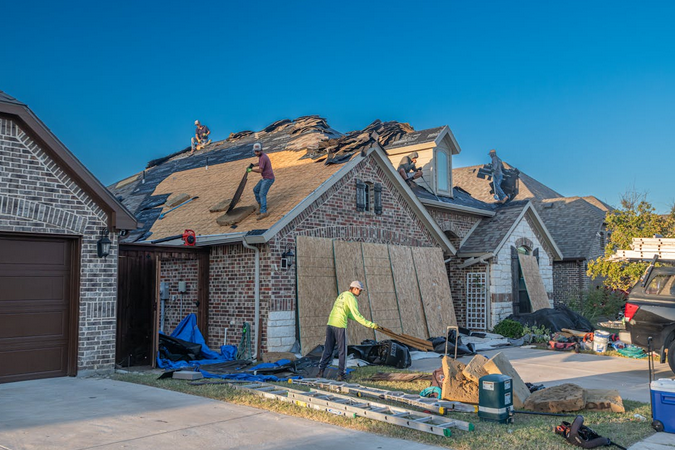
Thermoplastic Polyolefin, commonly known as TPO, offers a modern option for flat roof construction. This single-ply membrane reflects heat, reducing indoor cooling demand during warmer months. TPO resists mold growth and chemical exposure, making it popular for commercial properties. Heat-welded seams create a solid bond that limits water entry. Compared to older systems, TPO delivers reliable performance without complex layering. Its bright surface may show dirt faster, yet routine cleaning restores appearance. For buildings prioritizing energy efficiency and moderate cost, TPO presents a practical balance between performance and affordability.
PVC Roofing Systems
PVC roofing shares similarities with TPO but includes added plasticizers for flexibility. This material stands out for resistance to oils, grease, and industrial pollutants, which suits restaurants and factories. PVC membranes weld together tightly, forming strong seams that resist moisture infiltration. The surface reflects sunlight and supports energy-saving goals. Although initial costs exceed some alternatives, long-term durability often offsets early spending. PVC roofs handle foot traffic better than many membranes, making them suitable for rooftops with equipment access. Property owners seeking longevity with minimal compromise often consider PVC a dependable option.
Modified Bitumen Roofing
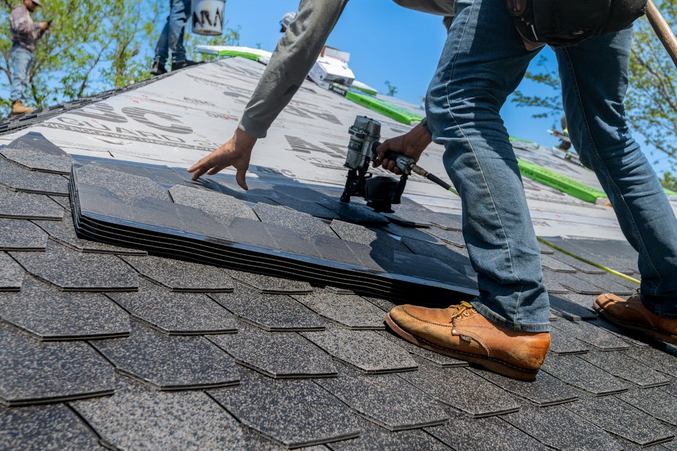
Modified bitumen builds upon traditional asphalt roofing, upgraded with polymers for flexibility and strength. Installed in layers, this system adds redundancy against leaks. Modified bitumen works well in climates with temperature variation and heavy rainfall. Torch-applied, self-adhered, or cold-applied installation methods offer flexibility based on site conditions. The surface tolerates foot traffic and minor impacts without rapid wear. Granule-coated finishes improve resistance to sunlight and weathering. While installation takes more time than single-ply membranes, the layered structure appeals to owners wanting a proven method with predictable performance over many years.
Built-Up Roofing (BUR)
Built-up roofing, often called tar and gravel roofing, remains a classic flat roof solution. It consists of alternating layers of asphalt and reinforcing fabrics topped with gravel. This structure provides excellent waterproofing and UV protection. BUR systems handle heavy loads well, making them suitable for roofs with frequent access. Gravel surfaces reduce fire risk and protect underlying layers from sun damage. Installation requires skilled labor and time, yet the result offers long service life when maintained properly. Though heavier than modern membranes, BUR continues to serve large buildings where strength and reliability matter more than installation speed.
Selecting the right flat roof material shapes performance long after construction ends. EPDM, TPO, PVC, modified bitumen, and built-up roofing each offer strengths suited to different conditions and building uses. Understanding how these materials respond to weather, traffic, and maintenance demands allows property owners to make informed decisions. A thoughtful approach leads to fewer leaks, longer service life, and lower long-term costs. By focusing on material behavior rather than surface appearance alone, flat roof design becomes a reliable asset instead of a recurring concern.